
How Oysters Improve Water Quality: The Science Explained
Discover the fascinating science behind how oysters act as natural water purifiers, removing pollutants and improving ecosystem health.
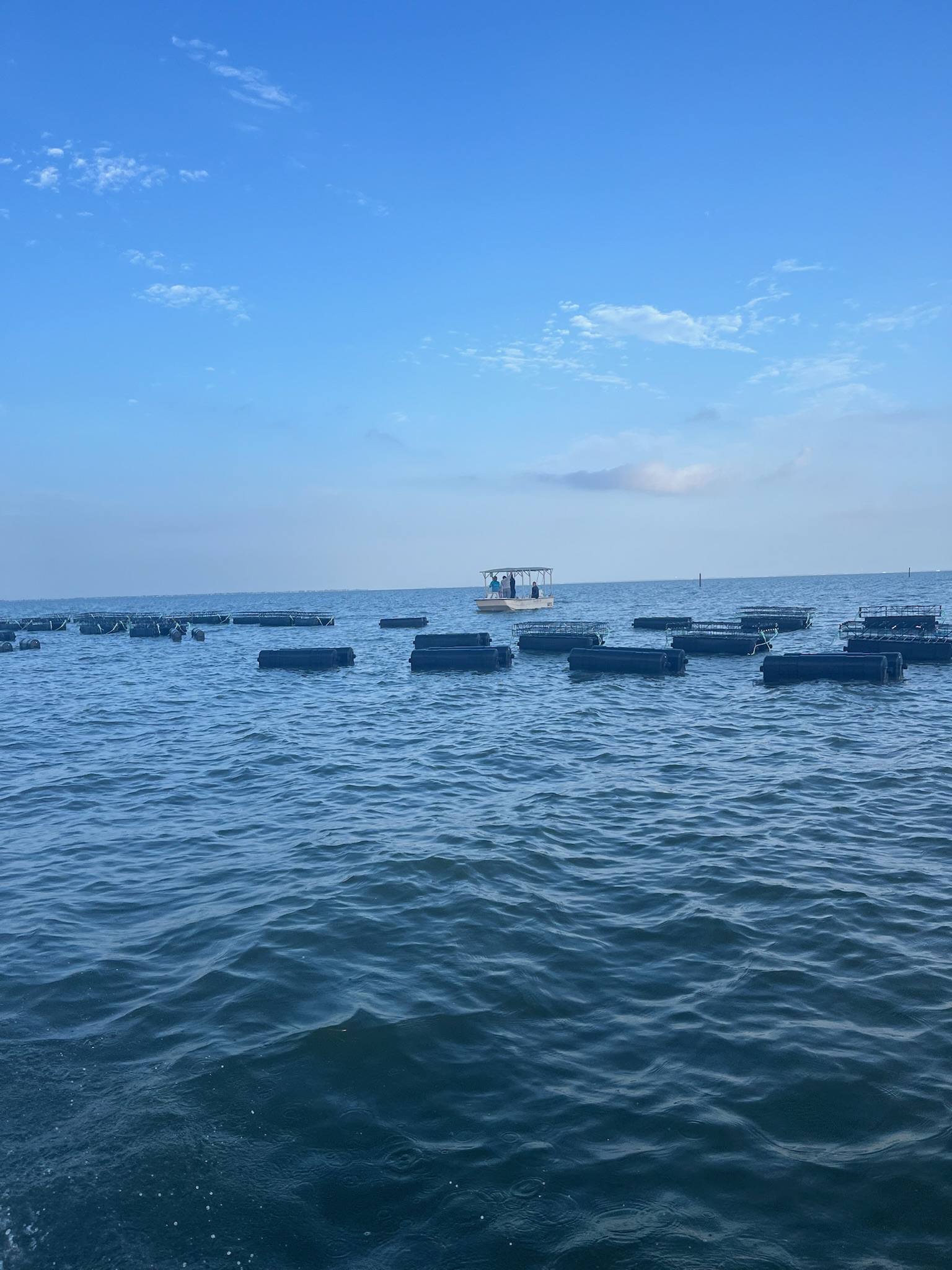
Oysters are nature's most efficient water treatment system. Through their filter-feeding process, they remove particles, excess nutrients, and even some pollutants from the water column. Understanding this process helps explain why oyster farming is so beneficial for marine ecosystems.
The Filter Feeding Process
Oysters draw water through their gills, where specialized cells capture particles as small as 2 microns. This includes phytoplankton, algae, suspended sediment, and excess nutrients. The efficiency of this process is remarkable - a single oyster can process 50 gallons of water per day.
Nutrient Removal
By consuming algae and phytoplankton, oysters remove excess nitrogen and phosphorus from the water. This helps prevent harmful algal blooms and maintains balanced nutrient levels, which is crucial for healthy marine ecosystems.
Sediment Reduction
Oysters also remove suspended particles and sediment from the water column, improving water clarity. Clearer water allows sunlight to penetrate deeper, supporting seagrass growth and photosynthesis.